
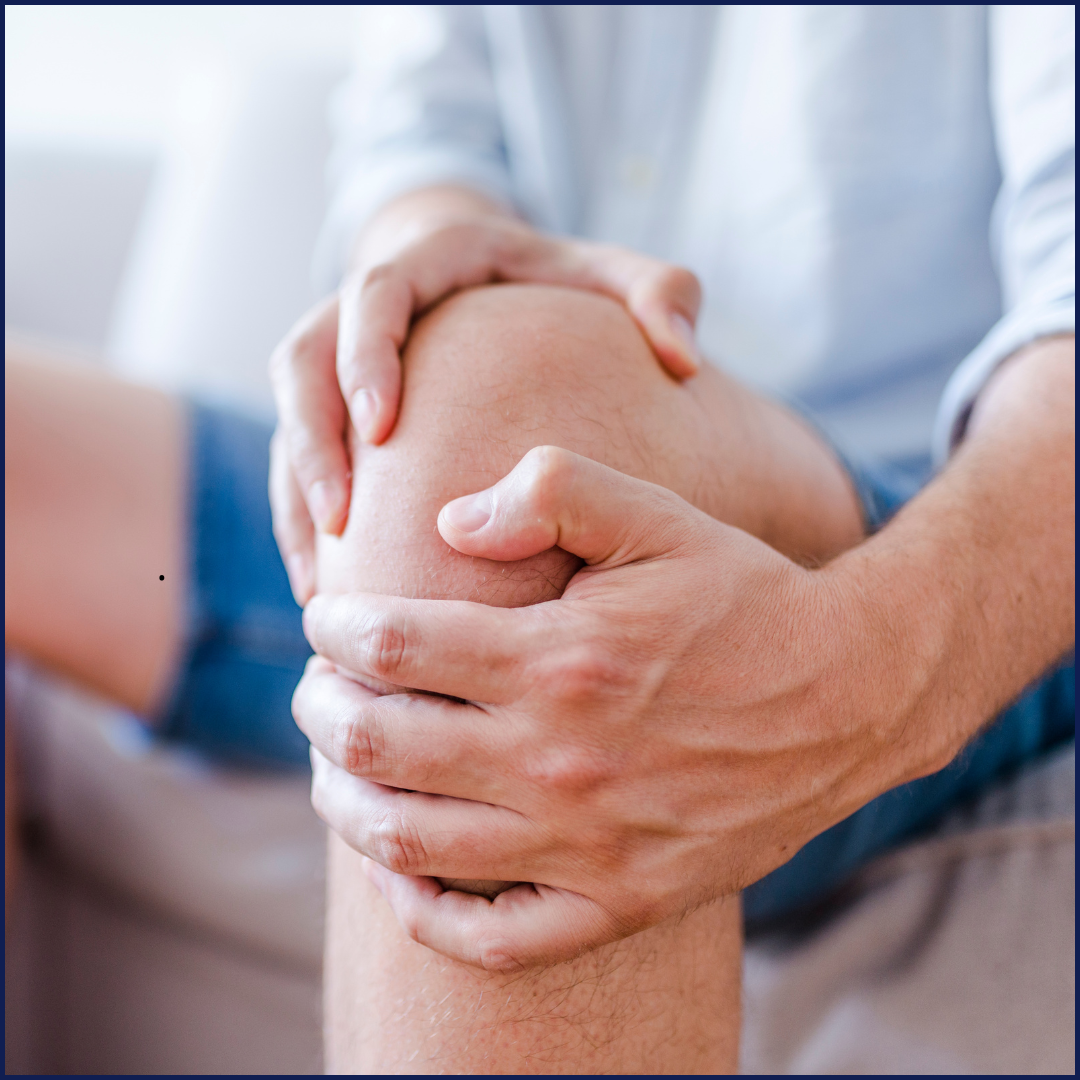
Knee osteoarthritis (OA) remains one of the most common and disabling musculoskeletal conditions worldwide, affecting millions of adults and driving interest in safe, accessible, and sustainable self-management strategies. This quarter's Research Highlight focuses on a line of seminal research that has progressively advanced our understanding of massage therapy and self-massage for knee pain and helped shape the development of Tina Brown's ongoing study taking place through MassageNet, entitled, Novel Accountability Method for a Self-Massage Intervention Among Adults with Knee Pain. The research and papers highlighted below illustrate the evolution of evidence from therapist-delivered massage to self-administered approaches and provide important insight into how individuals can be empowered to take a more active role in managing their chronic musculoskeletal pain.
Some of the earliest and most influential work in this area was conducted through randomized controlled trials led by Adam Perlman and colleagues¹ ², followed by Dorothea Atkins and David Eichler.³ Building on their 2006 pilot study, Perlman's 2012 dose-finding trial demonstrated that participants receiving standardized Swedish massage experienced clinically meaningful improvements in pain, physical function, and overall WOMAC scores compared with usual care. The findings identified a practical therapeutic dose of one 60-minute massage session per week, and the sustained improvements observed after treatment ended suggested benefits extending beyond short-term symptom relief. Extending this line of inquiry, Atkins and Eichler examined whether comparable outcomes could be achieved through self-administered massage. Their 2013 randomized controlled trial found that a simple quadriceps-focused self-massage protocol produced significant improvements in pain, stiffness, and physical functioning relative to controls, supporting self-massage as a safe, cost-effective, and patient-centered approach to osteoarthritis self-management.
A more recent mixed-methods study by Donya Nemati and colleagues⁴ explored why individuals with knee OA engage in self-administered knee massage and how they use it in real-world settings. Surveying 268 adults with knee OA, the investigators found that self-efficacy, symptom severity, intentions, and practical cues such as pain and stiffness were among the strongest predictors of self-massage use. Qualitative findings revealed that many individuals naturally adopt techniques resembling Swedish massage, tailor routines to their symptoms and lifestyles, and often integrate self-massage into broader self-care practices. Participants also described using massage devices, topical products, and recommendations from healthcare providers to support their knee pain management efforts.
This area of inquiry is especially relevant to massage therapists because it extends traditional concepts of therapeutic touch beyond the treatment room. Research examining self-massage provides insight into how massage-informed strategies may support continuity of care between appointments, encourage self-efficacy, and promote long-term symptom management. As evidence in this area continues to evolve, it offers important opportunities for clinicians to consider how patient education and self-care recommendations may enhance treatment planning, reinforce healthy behaviors, and improve overall outcomes.
These studies highlight a growing body of evidence supporting both therapist-delivered massage and self-massage as valuable components of knee OA self-management. They also provide the scientific foundation and real-world context for MassageNet's newly launched study led by doctoral candidate Tina Brown. By examining strategies to promote adoption and sustained engagement with self-massage practices over time, this work represents the next step in an evolving line of inquiry focused on developing practical, accessible, and evidence-informed approaches that empower individuals to participate actively in the management of chronic knee pain.
References:
Perlman, A. I., Sabina, A., Williams, A. L., Njike, V. Y., & Katz, D. L. (2006). Massage therapy for osteoarthritis of the knee: a randomized controlled trial. Archives of internal medicine, 166(22), 2533-2538.
Perlman, A. I., Ali, A., Njike, V. Y., Hom, D., Davidi, A., Gould-Fogerite, S., ... & Katz, D. L. (2012). Massage therapy for osteoarthritis of the knee: a randomized dose-finding trial. PLoS One, 7(2), e30248.
Atkins, D. V., & Eichler, D. A. (2013). The effects of self-massage on osteoarthritis of the knee: a randomized, controlled trial. International journal of therapeutic massage & bodywork, 6(1), 4.
Nemati, D., Kaushal, N., Keith, N., & Munk, N. (2026). Applying the health belief model to understand the usage and experience of self-management techniques in knee osteoarthritis: A mixed-methods observational study. International Journal of Nursing Studies Advances, 10, 100534.